





Mapping the Human Microbiome: From Microbial Profiles to Precision Health
Understanding the Human Microbiome
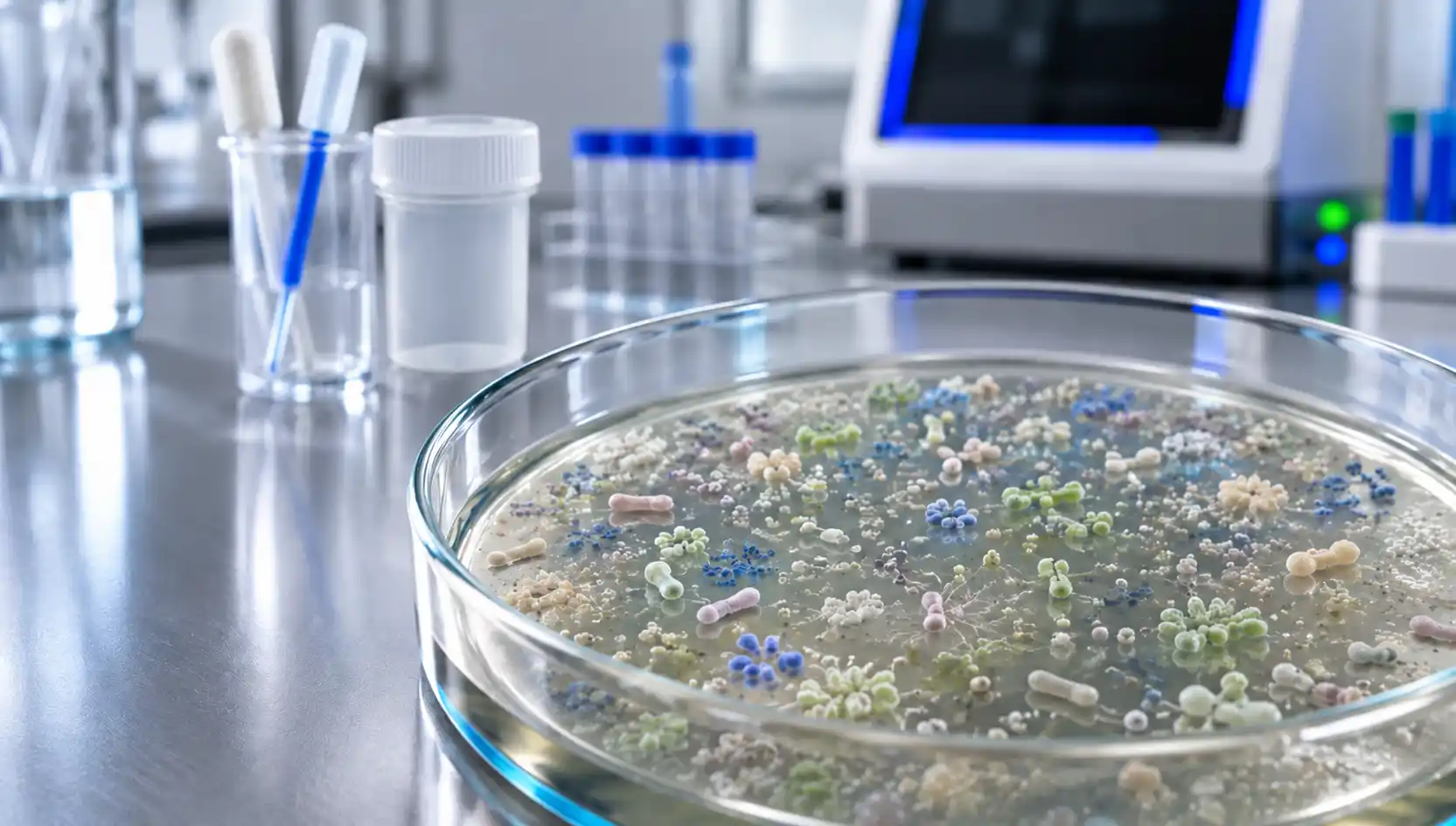
The human body is home to trillions of microorganisms, including bacteria, fungi, and viruses, collectively known as the human microbiome. These microorganisms form complex communities that interact with each other and with the human body, contributing to processes such as digestion, metabolism, immune interactions, and host–microbe communication (1).
As interest in the microbiome continues to grow, understanding these microbial communities has become an important area of health and wellness research. DNA GTx Gut and Oral Microbiome Testing provides an opportunity to explore these microbial ecosystems and gain a data-driven view of individual microbial profiles.
What Does Microbiome Testing Reveal?
Microbiome testing provides a profile of the microorganisms present in a specific biological sample. It can offer insights into:
- Microbial composition and abundance
- Microbial diversity
- Community structure
- Specific bacterial and fungal groups
Unlike conventional culture-based approaches, modern molecular methods can characterize a broader range of microorganisms, including those that may be difficult to grow under laboratory conditions (2).
With DNA GTx Microbiome Testing, microbial profiles can be explored from both gut and oral samples, providing complementary perspectives on two important microbial ecosystems.
Gut & Oral Microbiome: Two Connected Ecosystems
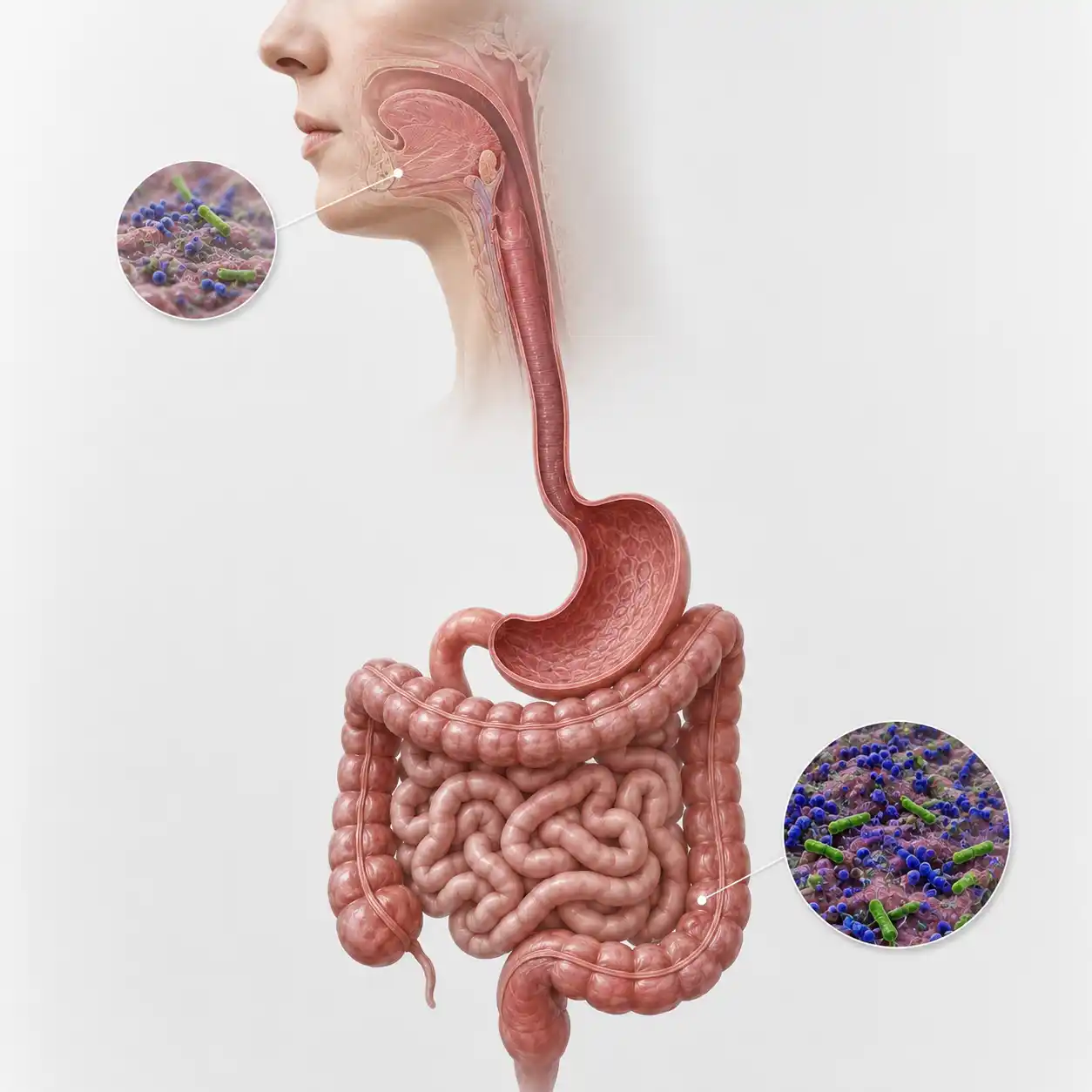
The gut and oral cavity are home to diverse microbial communities. Although they are distinct environments, they are also interconnected and influenced by factors such as diet, lifestyle, environment, and host biology (3,4).
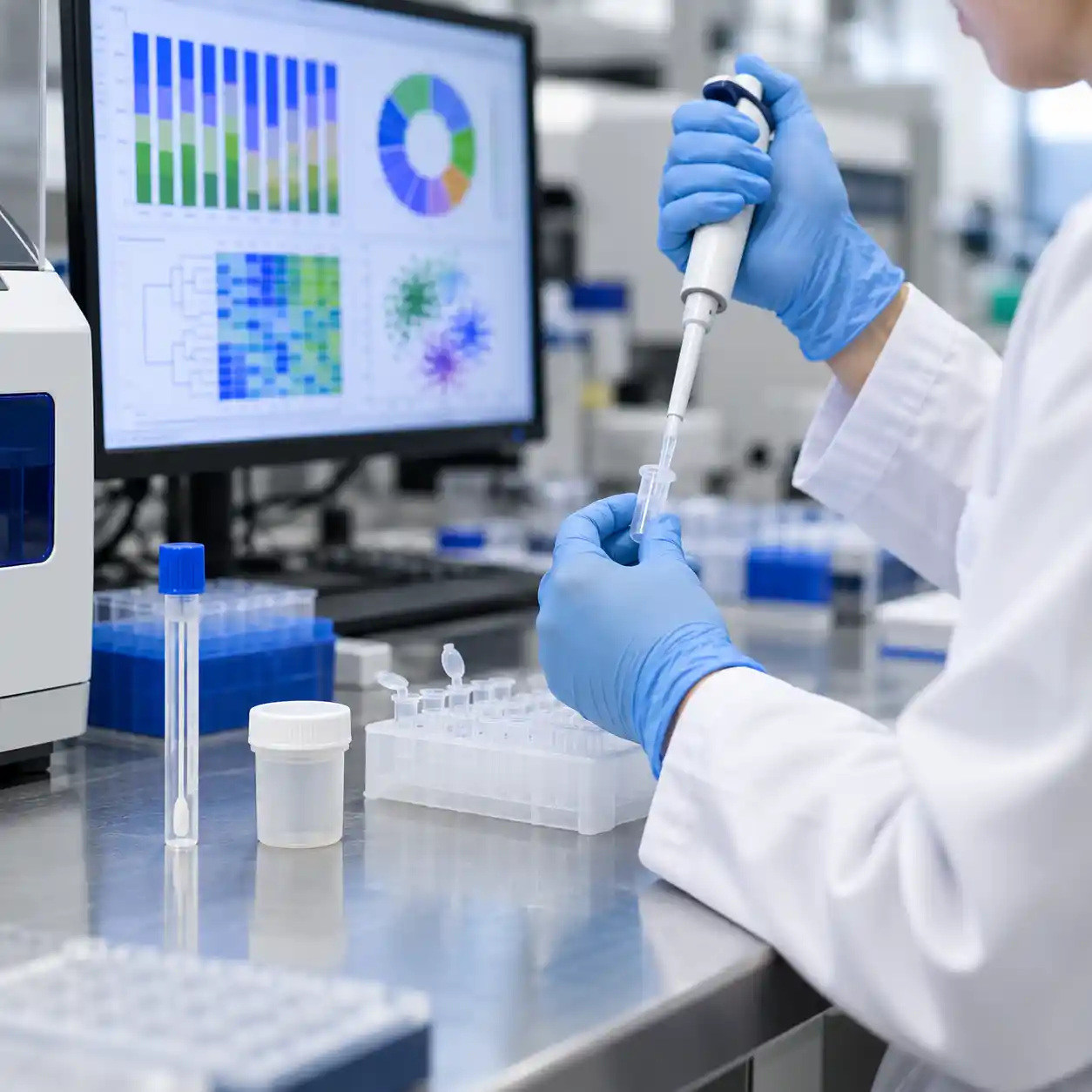
DNA GTx Gut and Oral Microbiome Testing provides insights into microbial composition, diversity, relative abundance, and community structure from stool and oral samples.
Exploring both ecosystems can provide a broader perspective on an individual’s microbial landscape and support research into the relationships between different microbial environments.
The Oral – Gut Microbiome Connection
The oral cavity and gastrointestinal tract are increasingly recognized as interconnected microbial environments. Microorganisms and microbial products can move between these sites, creating opportunities for interactions along what is often described as the oral–gut microbiome axis. (5).
Research in this area is expanding our understanding of how microbial communities may be associated with processes involving immunity, metabolism, and inflammation.
By combining insights from gut and oral microbial profiles, DNA GTx supports a broader approach to exploring these interconnected ecosystems.
Why Explore Your Microbiome?
Microbiome profiling may be of interest to individuals and professionals seeking to better understand microbial communities and their relationship with lifestyle and wellness.
- It may support:
- Exploring an individual gut or oral microbial profile
- Nutrition and personalized wellness research
- Investigating relationships between diet, lifestyle, and the microbiome
- Establishing a microbial baseline
- Monitoring microbial changes over time
- Research into the oral–gut microbiome axis
- Emerging approaches to personalized and preventive health
DNA GTx Gut and Oral Microbiome Testing provides a data-driven snapshot of microbial communities that can support these areas of exploration and research.
The Future of Microbiome-Based Precision Health
Our understanding of the human microbiome continues to evolve. Ongoing research is exploring how microbial communities may contribute to individual differences in health and how microbiome information could be integrated with other biological and lifestyle data (6).
Future developments may contribute to:
- High-resolution microbial profiling
- Functional characterization
- Microbiome–genome integration
- Biomarker discovery
- Personalized nutrition research
- Microbiome-informed approaches
- Longitudinal microbiome monitoring
As research advances, microbiome profiling may become an increasingly valuable component of the broader precision-health landscape.
Explore Your Microbial Ecosystem with DNA GTx
The human microbiome is a dynamic and highly individual ecosystem. Exploring its composition can provide a valuable perspective on the microorganisms that coexist with us and their complex interactions.
With DNA GTx Gut and Oral Microbiome Testing, you can explore microbial profiles across two interconnected body sites and gain a broader view of the human microbiome.
DNA GTx — Advancing Microbiome Profiling for Precision Health
Microbiome testing provides a snapshot of microbial composition at the time of sampling and is not intended to independently diagnose disease.
📚 References
- Wensel, Caroline R., Jennifer L. Pluznick, Steven L. Salzberg, and Cynthia L. Sears. “Next-generation sequencing: insights to advance clinical investigations of the microbiome.” The Journal of clinical investigation132, no. 7 (2022).
- Forbes, Jessica D., Natalie C. Knox, Jennifer Ronholm, Franco Pagotto, and Aleisha Reimer. “Metagenomics: the next culture-independent game changer.” Frontiers in microbiology8 (2017): 1069.
- Rooks, Michelle G., and Wendy S. Garrett. “Gut microbiota, metabolites and host immunity.” Nature reviews immunology16, no. 6 (2016): 341-352.
- Baker, Jonathon L., Jessica L. Mark Welch, Kathryn M. Kauffman, Jeffrey S. McLean, and Xuesong He. “The oral microbiome: diversity, biogeography and human health.” Nature Reviews Microbiology22, no. 2 (2024): 89-104.
- Rajasekaran, John J., Hari Krishnan Krishnamurthy, Jophi Bosco, Vasanth Jayaraman, Karthik Krishna, Tianhao Wang, and Kang Bei. “Oral microbiome: a review of its impact on oral and systemic health.” Microorganisms12, no. 9 (2024): 1797.
- Yang, So-Yeon, Seung Min Han, Ji-Young Lee, Kyoung Su Kim, Jae-Eun Lee, and Dong-Woo Lee. “Advancing gut microbiome research: the shift from metagenomics to multi-omics and future perspectives.” Journal of microbiology and biotechnology35 (2025): e2412001.
Recent Blogs



Have a Question?
Have a specific question or request? Fill out the form below and our team will get back to you shortly.